Talent and engineering leaders reviewing engineering upskilling progress together
Talent Upskill Platform

Build engineering skills where the work actually happens

Give talent leaders, HR partners, and engineering managers one place to baseline the team, run real repo practice, and measure progress with evidence they can actually coach from.

New-stack onboarding
AI rollout readiness
Platform migrations
Manager coaching loops
Role-shaped pathways
Map growth by stack, level, or workflow change instead of handing everyone the same track.
Real repo practice
Build skills in codebases, terminals, tests, and follow-up reviews that feel familiar to engineers.
Manager-visible evidence
Track progress through artifacts, narrative feedback, and team-level coaching signals.
Baseline
Repo-first signal
Practice
Async + live coaching
Measurement
Narrative + benchmark views
Managers
Clear next coaching move
Scroll
The engineering journey

A learning loop engineers will actually use

The strongest programs do more than assign content. They connect baseline signal, realistic practice, shared review, and measurable progress in one system, so teams keep moving instead of starting over.
01
Baseline the team
Start with repo-based work and AI-readiness reviews to see where habits are strong, where fundamentals drift, and where coaching needs to start.
02
Map the next path
Turn the signal into role-shaped pathways tied to your stack, seniority model, or the workflow change you want to drive.
03
Practice in real environments
Run take-homes, short tasks, and live sessions in shared repos, terminals, and coding surfaces that feel like the job.
04
Review the work
Managers and mentors see tests, artifacts, AI behavior, and follow-up prompts instead of guessing from completions alone.
05
Measure lift
Track capability growth by team, pathway, and coaching loop so your next move stays tied to evidence.
Review signal
What leaders get back
A clearer view of where capability is rising, where coaching is stuck, and how AI-supported work is showing up across the team.
Pathway progress
See who is moving, where they stall, and which assignment should come next.
Reviewer-visible evidence
Artifacts, tests, traces, and follow-up notes stay tied to the same work.
Shared practice surfaces
Use async assignments, short tasks, and live coding in one learning loop.
Team-level coaching signal
Give engineering leaders a clearer picture than “everyone finished the course.”
Platform capabilities

Built for engineering teams, not passive learning catalogs

CodeSubmit is built around the way engineers actually grow: working in code, getting feedback on real decisions, and measuring progress in a form managers can use.

Signal

Pinpoint the gap that matters

See whether the issue is framework fluency, delivery discipline, system design, or AI judgment before you prescribe another training track.

Practice

Give engineers reps that feel real

Practice happens in repositories, terminals, test suites, and collaborative review, so new habits transfer back into the job.

Proof

Show progress in work, not completions

Managers get visible evidence, narrative feedback, and pathway progress instead of quiz scores and guesswork.

Pathways

Turn broad growth goals into role-shaped pathways

Define what good looks like for each team, role, or workflow change. Then tie every milestone back to evidence from actual engineering work instead of generic training activity.
Tracks shaped around the role
Build pathways for frontend, backend, platform, AI readiness, or staff-level judgment without collapsing them into generic learning catalogs.
Milestones backed by work
Use repo assignments, short tasks, and live follow-ups as the proof that a skill is actually moving.
Next steps managers can act on
Turn results into the next exercise, coaching note, or mentoring loop instead of another vague recommendation.
Pathway planner
A calmer view of who is moving and what comes next
Managers do not need another crowded training dashboard. They need active paths, visible proof, and a clear next coaching move.
AI delivery readiness
Senior engineers
78%
Next coaching focus: validator loops and review guardrails
Platform migration path
Platform team
64%
Next coaching focus: service decomposition follow-up
Frontend modernization
Frontend engineers
81%
Next coaching focus: TypeScript testing workflow
Manager snapshot
3
Active paths
8
Reviews this month
1
Next workshop
What stays visible
See which paths are active and where progress is slowing down.
Tie every milestone back to repo work, reviews, and follow-up sessions.
Give managers a clearer next step than “finish another course.”
Practice

Give teams a practice surface that feels like the job
Upskilling lands when engineers can build in repos, run tests, use familiar tools, and carry strong work into live follow-up. That continuity is what makes the lessons stick.
Repo-based assignments
Give engineers work that looks like the job so new frameworks, delivery habits, and AI use stay grounded in reality.
Shared environments
Support async practice and live coaching in the same platform, with code, terminals, and review surfaces that do not feel artificial.
AI in context
Teams can practice prompting, validating, and editing AI output while ownership stays visible to reviewers.
Practice examples
One path, three concrete artifacts
Show the repo brief, the byte result, and the coaching cues in one frame so the pathway feels like real engineering work, not a generic catalog tile.
Take-home example
Real repo assignment
Frontend
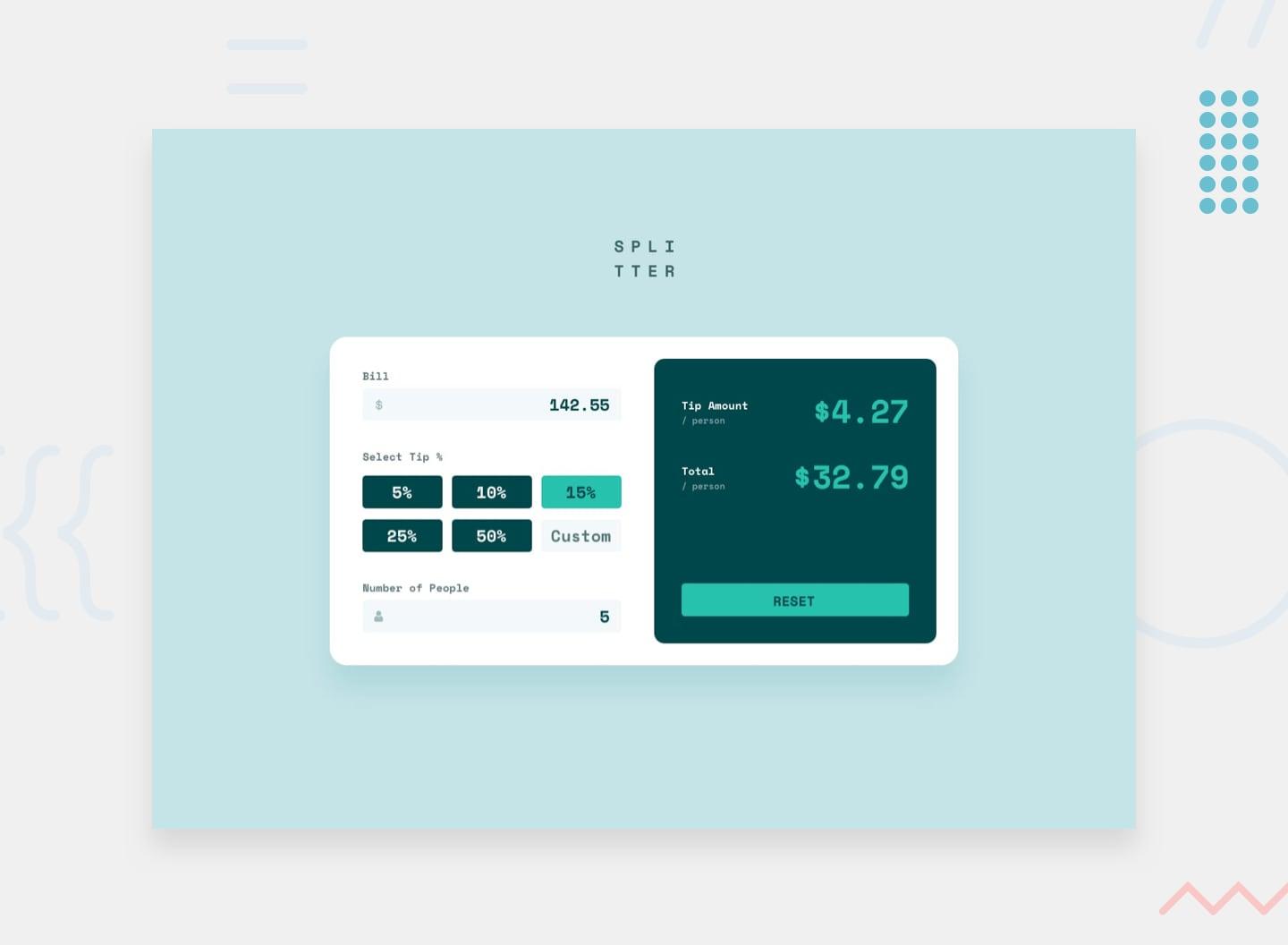
Tip Calculator assignment preview
Frontend Engineer
Tip Calculator
JavaScript
React
A candidate sees a short brief, a realistic UI target, and a repo they can clone, run, and submit as a reviewable change.
UI polishState handlingReviewable diff
TypeScript
TypeScript byte
Pirate Name
Short string challenge with readable tests and reviewer-visible proof.
Test result
9/10
tests passed
Visible proof9 of 10 checks passing
TDDEdge casesReadable tests
What managers can coach
Every surface should make the next coaching conversation more obvious.
Assignment fit
Match the brief to the stack and product judgment the engineer actually needs.
Test proof
Use visible validation and follow-up prompts to ground the discussion.
Follow-up continuity
Carry the strongest work into CodePair instead of restarting from scratch.
Next milestone
Tie the task result back to the next pathway step and coaching plan.
Employee journey

An upskilling journey should feel concrete from week to week

Show how one engineer moves from baseline to practice to coached follow-up over time. That makes the pathway easier to buy into for leaders and easier to navigate for the team doing the work.

Week 0

Baseline current habits

Start with a repo task or AI-readiness benchmark so the program begins with evidence instead of self-reported confidence.

Output: a clear picture of where validation, context, and delivery discipline need work.

Week 1

Assign the right pathway

Place the engineer in the right frontend, platform, migration, or AI-readiness path instead of dropping them into a generic catalog lane.

Output: a focused next milestone the manager can defend.

Week 2

Practice inside the repo

Use a take-home, byte, or short task with tests, terminals, and familiar tools so the rep feels like the work that is coming next.

Output: visible work product instead of passive completion.

Week 4

Review with a coach

Bring the same artifacts into feedback or CodePair follow-up so the conversation stays grounded in concrete decisions, tradeoffs, and fixes.

Output: coaching that stays tied to the work instead of drifting into theory.

Week 6

Carry the work forward

Turn the strongest work into the next milestone or a live project so the new habit shows up in delivery, not just in the training lane.

Output: measurable lift that is visible in the next review cycle.

Measurement

Give managers evidence they can coach from

Learning gets taken seriously when engineering leaders can see what changed, where the signal is thin, and what the next coaching move should be. That is the difference between a learning initiative and a real operating system.
Heatmaps by capability
See whether validation, context shaping, review quality, or AI-boundary judgment is improving across the team.
Narrative coaching reports
Give managers written feedback tied to what engineers actually did, not just a score they have to interpret later.
AI-ready team visibility
Baseline how engineers use AI in delivery work and track whether the stronger habits are taking hold.
Talent upskill analytics
Track capability lift by operating behavior
Measure how teams handle context, validation, evidence quality, and AI-supported delivery work across each pathway.
79
/ 100
Overall readiness
Benchmark model
Team score vs. role baseline
Dimensions are scored on a ten-point scale and compared against the benchmark marker in each row.
Manager-visible
Evidence stays coachable
Prompt traces, test proof, and approval records keep AI work reviewable after the session ends.
Capability dimensions
AI readiness by operating behavior
Benchmark marker shown on each row
Harness engineering
Defines instructions, validator loops, and approval defaults before AI touches delivery work.
8.8
Team scoreBenchmark marker
Validation discipline
Requires tests, traces, and replayable evidence instead of polished summaries.
8.4
Team scoreBenchmark marker
Trust boundaries
Treats prompt injection, retrieval, and tool access as engineering controls.
8.0
Team scoreBenchmark marker
Runtime observability
Captures traces, screenshots, and run metadata for review and replay.
7.7
Team scoreBenchmark marker
Context hygiene
Keeps repo-local guidance and specs current rather than relying on heroic prompting.
7.5
Team scoreBenchmark marker
Agent orchestration
Uses narrow specialists, stop conditions, and clear human gates.
7.2
Team scoreBenchmark marker
Readiness by team
Product engineering82
Frontend76
Platform71
Data63
Legacy systems48
Governance snapshot
Audit trail coverage100%
Prompt review ready94%
Avg AI contribution18%
Policy exceptions0
Recommended action
Validation discipline is strong, but agent orchestration and trust-boundary work still need explicit coaching plans for lower-readiness teams.
Use the score and narrative feedback to see where new habits are holding, where reviewers still need more proof, and which team should get the next coaching focus.
Outcomes

What engineering leaders get back

The point is not to run more training. It is to help teams adopt new tooling faster, build better judgment, and give managers a clearer way to guide growth inside the work itself.

Faster adoption of new tooling

Roll out new frameworks, platform changes, or AI workflows through practice that reflects the way engineers already ship work.

Manager time spent coaching, not guessing

Evidence, artifacts, and narrative feedback make the next conversation obvious instead of forcing managers to infer progress.

AI habits that stay reviewable

Teams can work with AI inside real delivery flows without hiding validation gaps or ownership problems behind the prompt.

Progress tied to the job

Upskilling stays connected to the stack, delivery standards, and collaboration habits your engineering org actually needs.

Ready to see it live?

Build a talent upskill program that looks like engineering work

Run the full loop in one platform: baseline the team, map the pathway, practice in real repos, and coach from reviewer-visible evidence.