CodeSubmit Library
JavaScript Coding Assignments on CodeSubmit
Looking to hire JavaScript developers? Don't settle for anything less than excellent JavaScript coding tests! CodeSubmit provides a library of real-world JavaScript coding challenges designed by passionate developers to be fun but challenging.
We even offer framework-specific assignments in React, Angular, Vue, Express, and more! Provide a great candidate experience while uncovering real insight into your candidates' JS competencies.








Identify Top JavaScript Candidates
Evaluate real JavaScript skills
Use CodeSubmit’s library of JS coding challenges to identify top frontend, backend, or full-stack developers based on their real-world skills. Uncover their skill in UX or even blockchain development!
We support the most popular JavaScript frameworks, allowing you to completely customize your hiring tests to reflect your dev team's stack.
Provide a great candidate experience
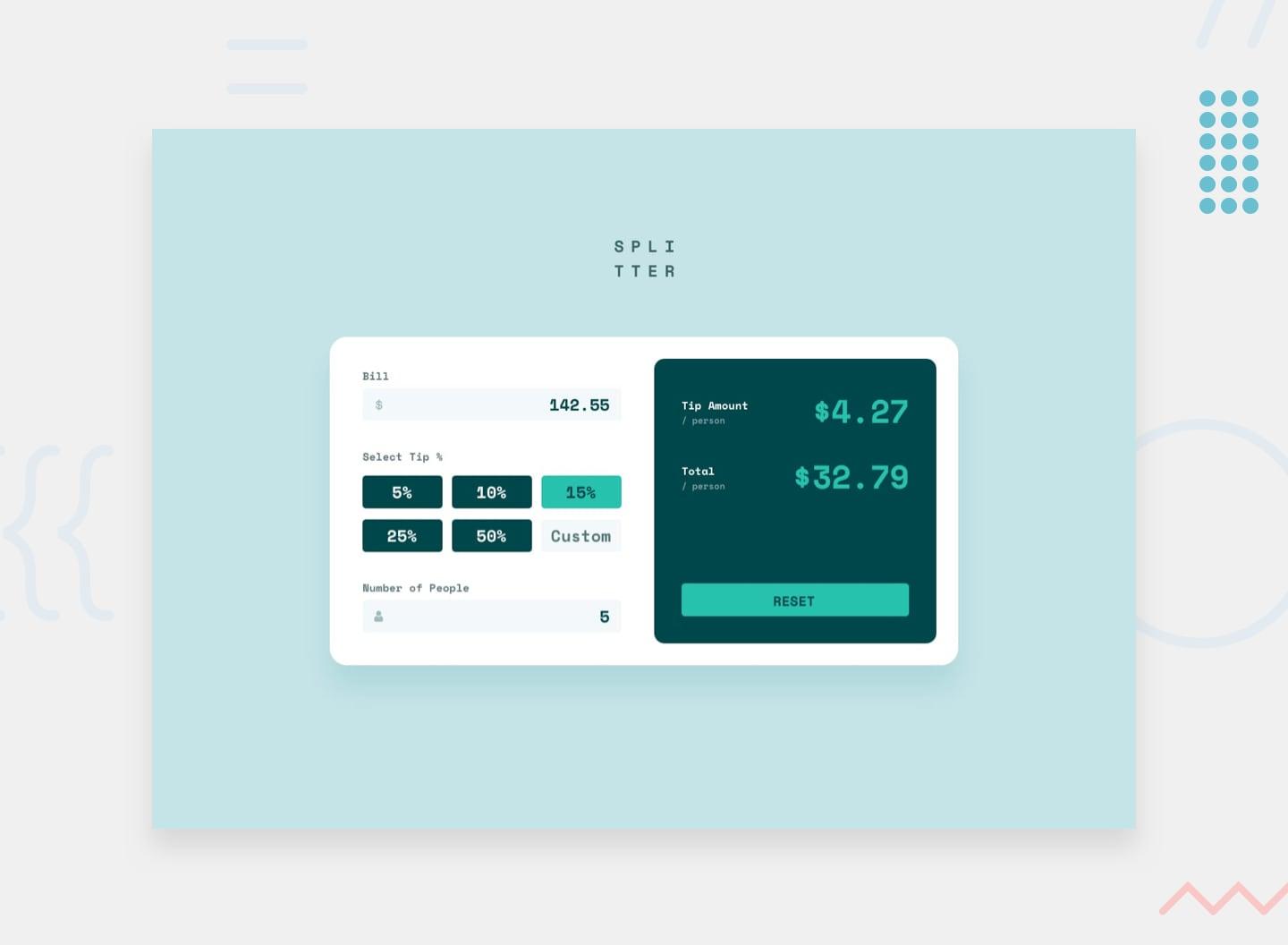
All of our library assignments are designed by an in-house team of passionate developers. Our frontend assignments are fun and provide creative candidates an opportunity to stand out. Don't put off top talent with arbitrary algorithmic screening questions.
Send your talent fun frontend projects so that everyone gets a feel for candidate fit!
How it works
CodeSubmit makes it easy to create, assign, track, and assess JavaScript take-home coding challenges.
Get started in three steps: create an account, choose from our carefully crafted library of JavaScript challenges or upload your own, and start inviting candidates. Our suite of review features makes identifying top performers simple.











Git Tree Review Flow
How CodeSubmit turns a repo into a review map
CodeSubmit does not jump from a JavaScript take-home straight to a thumbs-up or thumbs-down. The review flow starts by mapping the full git tree, then filtering obvious generated and vendor noise so reviewers get a fair file map before deeper review begins.
File listings alone do not decide anything. The tree is the map, then reviewers read the README, manifests, and top-modified files that explain how the submission works before they turn it into a candidate-friendly take-home review and a sharper CodePair follow-up.
File listings are discovery, not evidence. Generated and vendor noise gets filtered so the review starts from candidate-authored work.
The result is a cleaner handoff for hiring teams: concrete paths to inspect, stronger AI summaries, and live follow-up topics that stay anchored to the repo.
Real-World Take-Home
Use JavaScript take-homes to surface real-world skill
JavaScript hiring gets vague fast because the language stretches across browser UI, Node services, framework-heavy product work, automation, and everything in between. A strong take-home brings that work into focus with a small but realistic product slice, not a puzzle detached from the job.
This prototype keeps the original publisher copy intact and adds a more specific layer underneath it. The emphasis stays candidate-friendly and role-specific: candidates working in familiar tools, shipping something reviewable, and giving your team real signal before AI review and CodePair follow-up. That matters whether you are hiring for React, Next.js, or Node.js.
The point is specificity. Good JavaScript tasks reveal how someone handles browser state, service logic, test coverage, and framework handoff without collapsing into trivia.
AI Review
AI turns JavaScript submissions into clear signal
Once the take-home is in, AI should help your team see the real shape of a JavaScript submission fast: async control flow, UI state choices, module boundaries, test coverage, and whether the code still reads well under review.
That is where the hiring loop gets sharper. Instead of generic pass or fail judgments, reviewers get a faster read on strengths, weaknesses, and the right follow-up topics for a JavaScript CodePair session.
Look for candidates who sequence API work cleanly, keep loading and error states honest, and do not let async behavior turn the solution opaque.
For browser-heavy roles, strong candidates keep interactions predictable, avoid brittle DOM hacks, and leave components readable enough for follow-up work.
JavaScript gets messy when every decision lives in one file. The better submissions separate shaping logic, view logic, and data access early.
Useful take-home work leaves a trail: meaningful tests, obvious assumptions, and code you can discuss in a review instead of reverse-engineering from scratch.
CodePair Follow-Up
CodePair continues from the actual submission
The best JavaScript hiring loops do not stop at the take-home. They continue from the candidate's real submission into a live session where you can debug, extend, and talk through tradeoffs in the same codebase.
That is what makes CodePair valuable here: you are not restarting with a synthetic prompt. You are continuing the same real-world JavaScript work and seeing how the candidate thinks in motion.
Suggested Coverage
Match the take-home and follow-up to the stack
One reason JavaScript landing pages drift into generic copy is that frontend, Node, and framework work all get flattened into the same paragraph. This is where we stay specific. Pick the lane that matches the job, then align both the take-home and the live follow-up with the exact stack your team already ships. If you are calibrating interview depth too, use the matching React interview guide or Node interview guide.
Use this path when the role depends on API-driven UI, component state, interaction detail, and maintainable browser code.
Use this path when the job leans on handlers, validation, async service logic, and code that lives outside the browser.
Use this path when you want the take-home to lead into a deeper technical conversation about tradeoffs, debugging, and extensions.
Complete Your Technical Assessment
Pair Take-Home Tests with Live Coding
Combine JavaScript take-home challenges with live CodePair sessions. Watch candidates walk through their solution, ask follow-up questions, and see how they handle real-time problem solving.
Perfect for assessing both independent work quality and collaborative coding skills in a single hiring pipeline.
The communication between hiring managers, recruiters and candidates has been incredibly improved since we started using CodeSubmit. There is no 'back and forth' anymore and the technical assessment is running smoothly!


Authentic tasks, not algorithm puzzles.
Take-Home Coding Challenges
Our extensive library of practical coding challenges provides an accurate assessment of candidate programming abilities while delivering a respectful and engaging interview experience.
 Authentic engineering challenges: